
November 4, 2026
Your garage door is likely the largest moving object in your home, and you probably open and close it several times a day without giving it a second thought. That routine use adds up, though. Springs lose tension, cables fray, rollers wear down, and safety sensors drift out of alignment, often so gradually that you won't notice until something fails. A regular inspection schedule catches these problems early, protecting your family, your vehicles, and your home itself. So how often should a professional look at your residential garage door? The answer depends on a few factors, including the age of your door, how much you use it, and the weather it faces throughout the year. Below, we'll walk through the recommended schedule, what can change it, and what a thorough safety inspection includes.
Understanding the Recommended Inspection Schedule
In our experience, most homeowners should schedule a professional inspection at least once a year. This annual visit gives a technician the chance to evaluate every component of the system, from the torsion springs above the door to the weather seal along the bottom. For many households, that single yearly appointment keeps the door running smoothly and safely.
Some homes benefit from a twice-yearly schedule instead. A spring and fall inspection works especially well in New England, where the door faces two very different seasons of stress. A spring visit addresses damage from ice, road salt, and freezing temperatures, while a fall visit prepares the system for the cold months ahead. If you can't remember the last time someone serviced your residential garage door, now is a good time to book an appointment.
Recognizing Factors That Call for More Frequent Inspections
Not every door follows the same timeline. Several factors can shorten the time between inspections, and recognizing them helps you build a schedule that fits your household.
Usage plays the biggest role. If your family uses the garage as the main entrance to the house, your door may open and close several times a day, every day of the year. Every cycle puts stress on the springs, cables, and opener, so a heavily used residential garage door needs attention more often than one that opens only occasionally.
Age matters as well. Older doors often lack modern safety features, and their components have endured years of wear. In our experience, doors that are 15 to 20 years old benefit from more frequent checkups, and they may be nearing the point where replacement makes more sense than continued repairs.
Finally, consider your environment. Homes near the coast deal with salt air that speeds up corrosion on springs, tracks, and hardware. Homes that see heavy snow and ice face their own challenges, including cracked seals and frozen components. Even inland homes go through dramatic temperature swings that cause metal parts to expand and contract throughout the year.
Preparing Your Door Before Storm Season
Your garage door does more than provide access to your home. It also serves as one of the most important barriers against severe weather. According to the Door & Access Systems Manufacturers Association (DASMA), wind entering through the garage door is the starting point for about 80% of residential hurricane damage. Once wind pushes through a weak or failing door, pressure builds inside the home and can lift the roof or blow out walls and windows.
For homeowners in Massachusetts, Rhode Island, and Connecticut, that statistic deserves attention. Tropical storms, hurricanes, and powerful nor'easters regularly bring damaging winds to the region. A pre-storm inspection confirms that your residential garage door has secure panels, solid hardware, properly fastened tracks, and adequate reinforcement. A technician can also tell you whether your current door offers enough wind resistance or whether an upgrade would better protect your home. Scheduling this visit in late spring or early summer gives you time to complete any repairs before the peak of the season.
Knowing What a Professional Inspection Covers
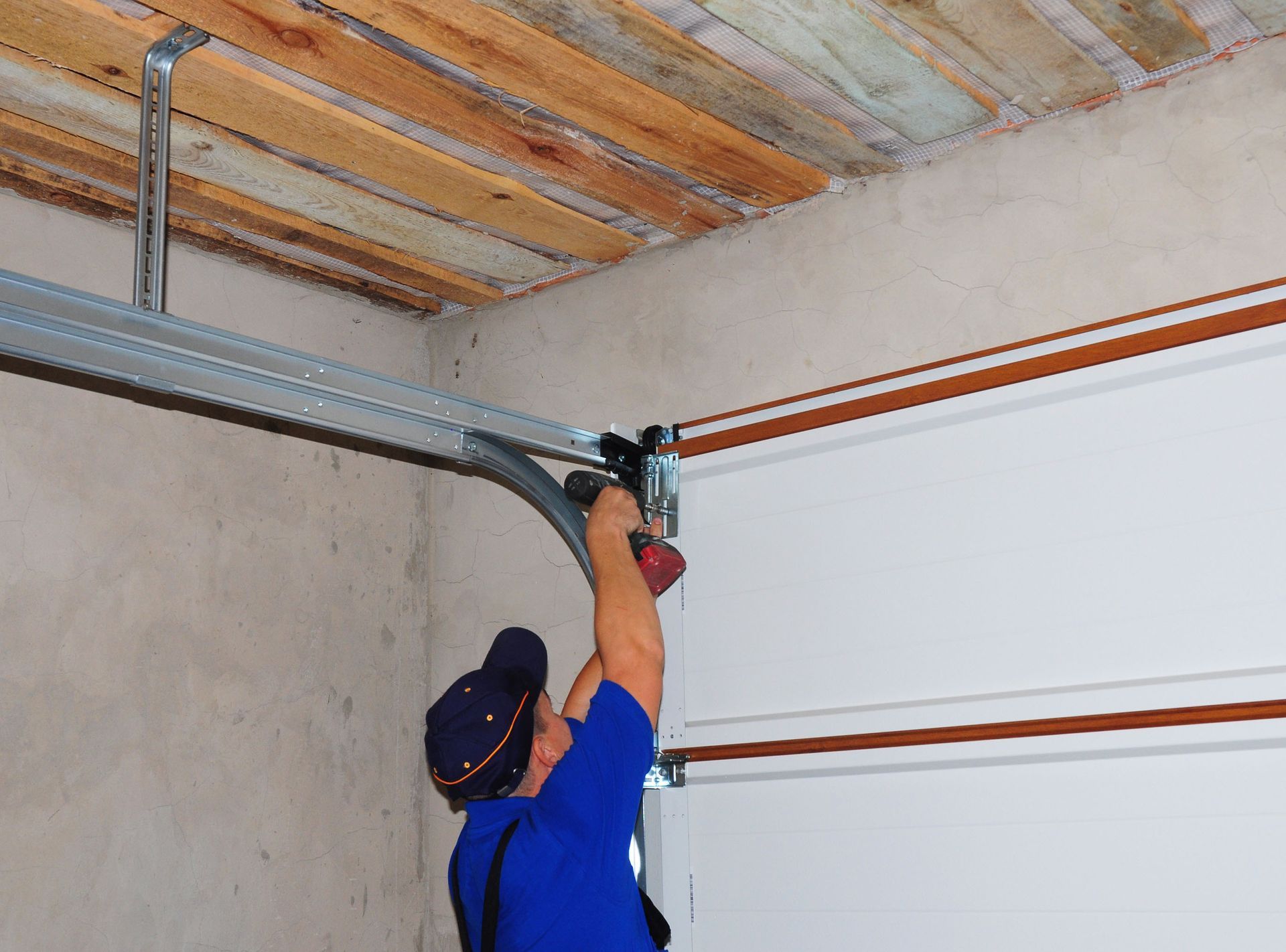
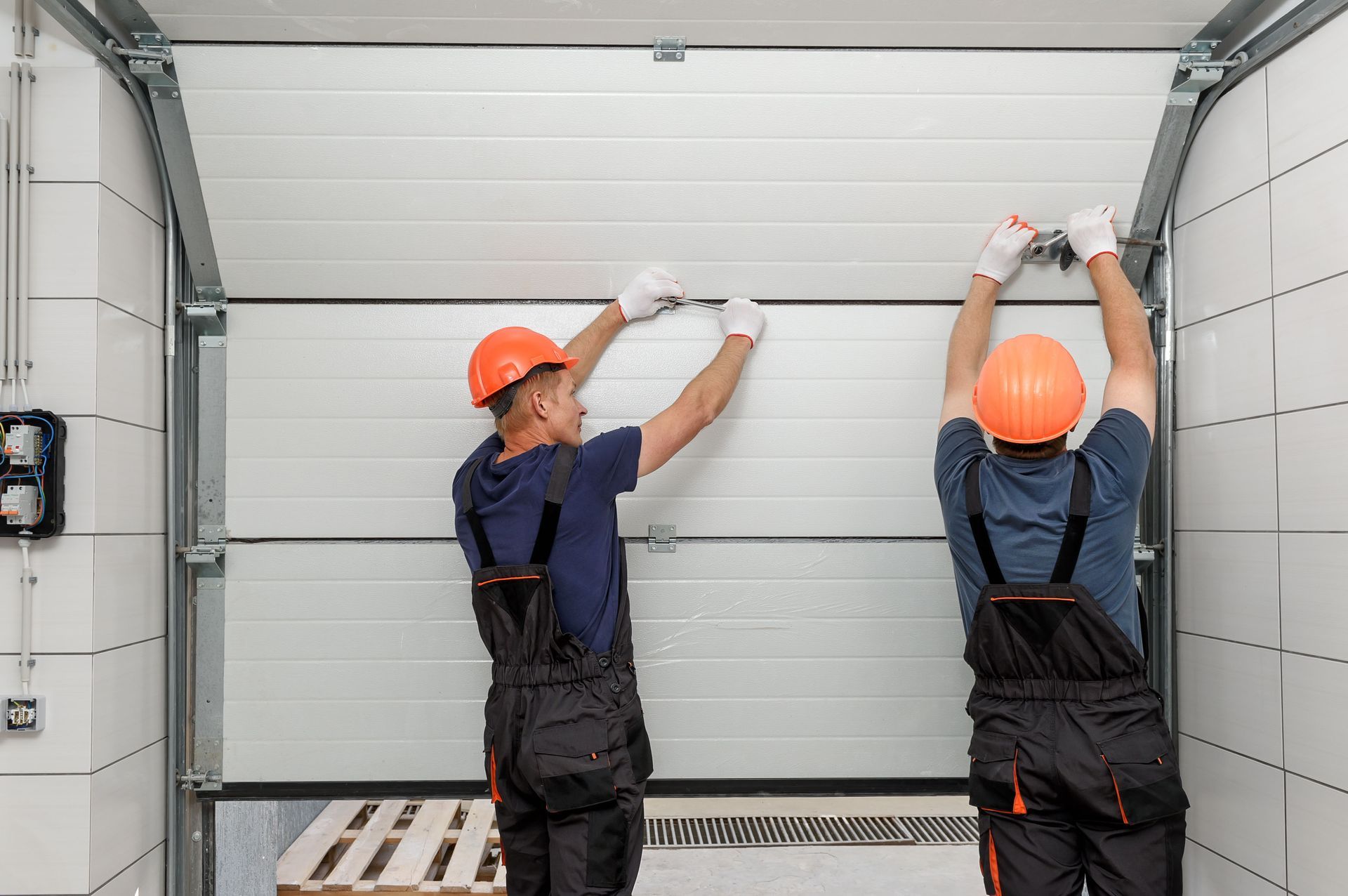
A thorough safety inspection goes well beyond a quick glance at the door. A trained technician will examine the springs for signs of wear, rust, or loss of tension, since these components hold enormous force and can cause serious injuries when they fail. They'll also check the lift cables for fraying, the rollers for wear, and the tracks for proper alignment.
Next, the technician will turn to the opener and its safety systems. Federal standards require openers to include an automatic reversal feature, and the inspection should confirm that the door reverses when it meets an obstruction or when something breaks the beam between the photo-eye sensors. Many inspections also include balance testing, lubrication of moving parts, hardware tightening, and a review of the weather stripping. When the technician finishes, they should explain what they found and walk you through any recommended repairs in plain terms.
This level of detail is exactly why professional service matters. Your residential garage door operates under high tension, and attempting to adjust springs or cables without proper training and tools can lead to severe injuries.
Checking Your Door Between Professional Visits
While annual inspections form the foundation of your safety plan, you can play an active role between appointments. A simple monthly visual check of your residential garage door helps you catch developing problems early. Look at the springs, cables, and rollers for obvious damage, and pay attention to any new noises during operation.
You can also test the auto-reverse feature. Place a block of wood or a roll of paper towels on the floor in the door's path and close the door. It should reverse as soon as it makes contact. Next, close the door and wave an object through the path of the photo-eye beam. The door should stop and reverse. If your door fails either test, stop using the automatic opener and contact a professional right away.
Keep in mind that these checks don't replace a full inspection. Homeowners should look and listen, but they should leave adjustments to the springs, cables, and other high-tension parts to trained technicians.
Spotting Warning Signs That Can't Wait
Some problems shouldn't wait until your next scheduled inspection. Call a professional as soon as possible if your door makes grinding, popping, or scraping noises, moves unevenly, or opens and closes much slower than usual. A door that feels unusually heavy when you lift it manually likely has a spring problem, and a door that sags on one side may have a broken spring or cable.
Other urgent signs include frayed cables, bent tracks, cracked or dented panels, and gaps along the bottom seal. An opener that responds inconsistently or a door that won't reverse also warrants immediate attention. Continuing to use a damaged residential garage door puts your family at risk and can turn a minor repair into a major one.
In our experience, most homeowners should schedule an inspection at least once a year, while busy households, older doors, and homes in storm-prone areas may need attention twice a year. Between visits, quick monthly checks and an eye out for warning signs keep you ahead of serious problems. Staying consistent with this schedule protects your family, extends the life of your residential garage door, and strengthens your home against severe weather.
Is it time for your next inspection? At HQI Door Company, we bring over 40 years of experience to every residential garage door we service across Massachusetts, Rhode Island, and Connecticut. We handle everything from spring replacement and track alignment to opener repair, and we back our work with our Gold Bar Warranty, which includes lifetime coverage on all parts. We also offer free same-day quotes and 24-hour service when urgent problems arise. Call us at (855) 869-4378 to schedule your safety inspection today!